Patch-Through Calls

Turn everyday citizens into political activists

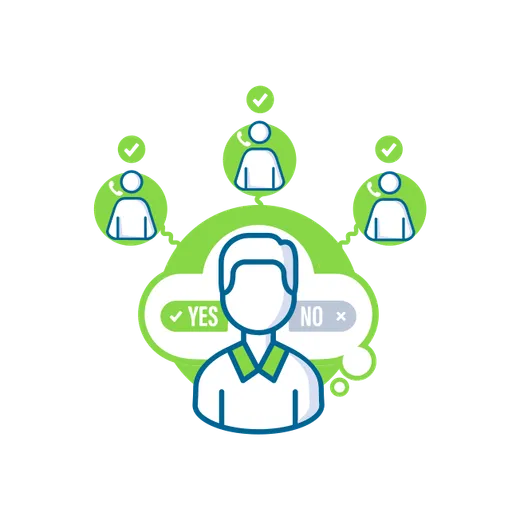
One of the most efficient ways to connect voters with their elected officials is a patch-through program. How it works is simple: we call your supporters or targeted voters, explain the issue, and ask if they are willing to be transferred to their lawmaker's office to relay the message.

If they agree, we transfer them directly to the office, where they say why they support your side of the issue. Stones' Phones has run patch-through calls for years and has perfected the art of connecting ordinary citizens with lawmakers.

How it works

Why a phone call beats a thousand emails

A study by Shayna Englin and Stefan Hankin, “The Advocacy Gap”, found that what legislators need from advocacy groups is direct contact with constituents. A dozen personal stories from a district can outweigh thousands of identical emails on the same bill. Other than a face-to-face meeting, a phone call is the hardest form of contact for an office to ignore.

Scripted email replies from a congressional office can take a few days to more than nine weeks, according to the Congressional Management Foundation. A patched constituent gets a response immediately, and a personal one.

How a patch-through program works

Start early

Legislative offices expect patch calls when an issue is hot. They pay far more attention when the calls arrive weeks or months before it hits the mainstream. Programs can run over a few days before a vote or steadily over weeks.

Keep the script short

A few lines on the problem in the legislator’s district or state, then the ask. No procedure, no jargon. A former chief of staff’s advice: have the constituent name the issue, the legislation and the vote they want.

Patch and record

Voters who agree are transferred live to the target office, including the White House when the program calls for it. We check every office line before the program starts and keep backup targets ready in case a line is shut down.

Data back

At the end of each program you get a file with a code on every voter who supports your issue and patched over to a target.

Case studies

Patch-Through Calls programs that delivered

  • HRC and Equality Texas

    In August 2017, the Texas state legislature tried and ultimately failed to pass an anti-transgender “bathroom bill.” This bill aimed to restrict public schools and other state-funded facilities from allowing transgender individuals from using the bathrooms and locker rooms that correspond to their gender identity. Passing this bill would have been a huge setback for equality, and could have set a perilous precedent for the wave of anti-transgender bills popping up in state legislatures across the country.

    Stones’ Phones worked with our partners to mobilize Texans against this unpopular bill and pressure their Republican representatives to strike it down by deploying patch-through calls. Over many months, we had almost 300,000 one-on-one conversations with voters and connected over 21,000 constituents to their lawmakers to help protect transgender Texans. Because of the pressure put on by constituents, activists, and business groups, the bill died in the state House of Representatives.
  • Virginia Clean Economy Act

    In late 2019 and early 2020, climate activists in Virginia were urging the state legislature to pass the Virginia Clean Economy Act, which would shift the state to 100 percent renewable, carbon-free electricity and eliminate pollution from Virginia power plants by 2050. Stones’ Phones worked with the Virginia Sierra Club Chapter and the Virginia League of Conservation Voters to call more than 80,000 Virginians over the course of the three months, asking them to demand their representatives vote yes on this historic environmental bill. More than 13,000 Virginians agreed to be transferred to their legislator. As more lawmakers signed onto the bill, we called their constituents back, asking them to thank their lawmakers for their progressive vote - communicating that their constituents appreciate the positive action on the environment. By March of 2020, the Virginia Clean Economy Act passed both houses of the General Assembly and was signed by the governor, which is a landmark victory against the fossil fuel industry.

  • The Hub Project Patch Through Calls

    In the lead up to the 2020 presidential election, it became clear that President Trump would not accept the election results if he lost. Knowing this, the Hub Project decided to put together patch programs targeting election officials - local and statewide - as well as legislators to urge them to keep counting votes, and certify election results. Setting up programs in Michigan, Wisconsin, Pennsylvania, and Arizona, in addition to calls to the GSA Administrator who refused to declare President-Elect Biden as the winner and start the presidential transition.

    In the course of a few short weeks, we had transferred 22,525 voters to our intended targets, putting immeasurable pressure on them to do the right thing: keep counting absentee ballots, certify results, and get the transition underway. We transferred so many people to the GSA - nearly 6,000 - that multiple times they shut down their phone lines, even refusing to allow voicemails. But we were prepared for that. With backup targets in place, we were able to make changes to continually apply pressure.

    In the end, our pressure campaign worked. Each state certified their election results announcing Biden as the winner. And eventually, the GSA relented, and allowed the Biden team to begin their transition.

  • American Heart Association Surprise Medical Billing Patches

    Throughout 2020, the American Heart Association pressured legislators toward taking action to end Surprise Medical Billing by strengthening the transparency of health benefits coverage. Congress considered providing relief for workers and small businesses who have been hit hard during the COVID-19 crisis, but did not protect patients who were struggling during the pandemic from receiving surprise medical bills.

    Stones’ Phones worked with American Heart Association to deploy multiple rounds of patch-through calls that resulted in high voter engagement, with targeted cell phone lists. We have so far sent 15,278 constituent voices into the capitol offices of targeted legislators, so real people could share their voices.

  • Patch Calls to Pass The Pregnant Workers Fairness Act

    Back in 2020 we were shocked to hear that pregnant workers didn’t have the proper and fair legal protections or accommodations across the country. Protections such as flexible hours, leave to recover from childbirth, or being excused from strenuous activities, not safe during pregnancy were not guaranteed. The Pregnant Workers Fairness Act (PWFA) was drafted to address these issues. Unfortunately, this act encountered congressional roadblocks that had to be overcome. So, we worked with the ACLU to pass the PWFA by leveraging the voices of women all over the country with patch-through calls.

    We crafted detailed scripts and asked voters to send their voices to their legislators to pass the bill so pregnant workers wouldn’t have to choose between a healthy pregnancy and a job. This wasn’t just a single effort; we ran multiple programs over the course of two years. Using demographic targeting, we found that the strongest voices came from older woman and young people, who also were more likely to patch through to leverage their support.

    Across multiple programs, we patched over 10,000 people to Senators and members of Congress. We made so much effective noise we were able to get a sitting member to change their vote after we flooded their office with calls from their own constituents. In December of 2022 PFWA was passed by a narrow margin of 225 to 201 and finally signed by President Biden demonstrating that coordinated voices leveraged by paid phones, will always have a role to play.

Patch-Through Calls: frequently asked questions

When should I do Patch-Through Calls?

It's best to do Patch-Through Calls well before the issue comes up. Legislative offices expect Patch-Through calls when an issue is hot, but they will pay a lot more attention if you do Patch calls weeks or months before that issue has hit the mainstream.

How much information about my issue should I include in the script?

When crafting your Patch-Through script, it's best not to get bogged down in procedure and jargon. We recommend keeping the information included to no more than a few lines. This makes it clear to your audience why they should take action on your issue. As with any program, we are happy to help you optimize your script!

Can I do a program that patches to the White House?

Absolutely! We can patch to the White House. We make sure to check the office line before we set up these calls.

Will I get a list of voters that patched over to my targets?

Yes, at the end of each patch program we will provide data back to you. In this file, we add in a code for everyone that supports your issue and patched over to your targets.

How many people patch-through out of everyone you call?

Our standard patch-through rate is 18% of completed calls, up from a previous industry standard of 15% after years of refining our methods.

More programs

Often run alongside this one

Start a program

Ready to run a patch-through program?

Tell us who you need to reach and what you need them to do. We will come back with a plan and a price.